SHEFA Medical
The healthcare consumables industry is experiencing a transformative phase, with innovations emerging as vital drivers of change. Understanding "What Are The Innovations In Healthcare Consumables Industry" is crucial for stakeholders. These innovations range from advanced materials used in medical devices to smart technology integrated into everyday consumables.
Innovative products are reshaping patient care. For instance, biodegradable syringes and eco-friendly packaging are gaining traction. Such products not only meet health standards but also address environmental concerns. However, identifying the right innovations can be challenging. Healthcare providers and manufacturers must stay informed about emerging trends and technologies.
Moreover, while many innovations promise significant benefits, they also require careful evaluation. The efficacy and safety of new products must be scrutinized. Balancing innovation with practicality poses a dilemma. Stakeholders must ask: are we prioritizing advancement over patient safety? Continuous reflection on these innovations will ensure that the healthcare consumables industry evolves responsibly and effectively.
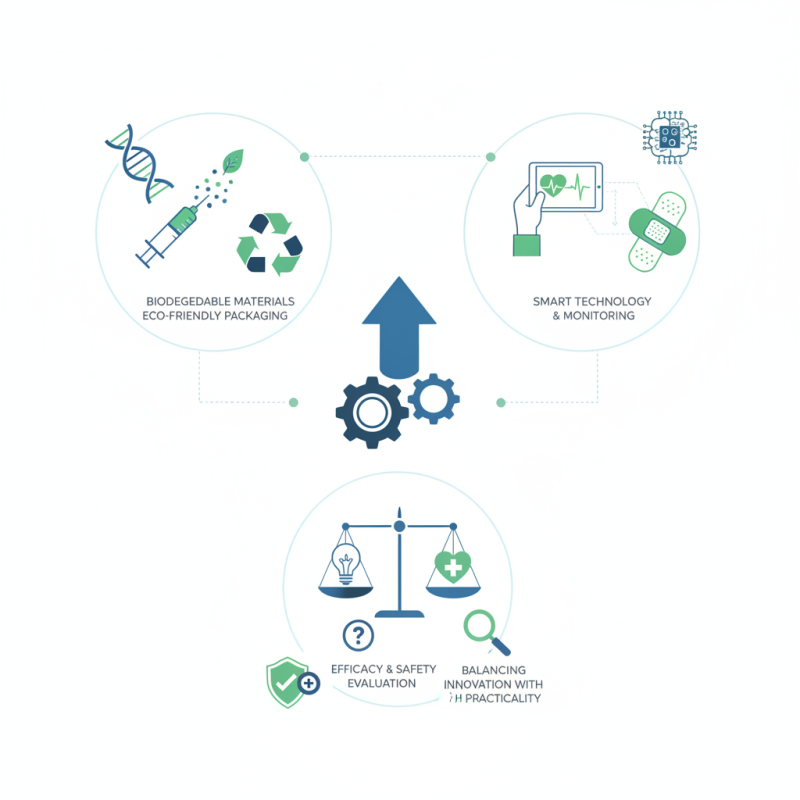
The healthcare consumables industry is rapidly evolving. Key trends are emerging that shape the future of patient care. Research indicates the global market for healthcare consumables is projected to reach USD 512 billion by 2026, growing at a CAGR of 6.5%. This growth is driven by advancements in technology and a focus on patient-centric solutions.
One significant trend is the increase in sustainable practices. Many companies are exploring biodegradable materials for consumables. Reports show a shift toward eco-friendly products, aligning with patient preferences for sustainability. Transparency in sourcing and production is increasingly valued. Health professionals seek reliable data about the products they use.
Digital innovation is another driving force. Telehealth and remote patient monitoring are changing how consumables are utilized. Wearable devices are becoming common, promoting proactive management of health. The integration of artificial intelligence in analyzing data can enhance decision-making and improve outcomes. However, the standardization of these technologies still poses challenges.
The industry faces pressure to keep pace with evolving regulations. Ensuring compliance is critical but often complicated. As innovation accelerates, stakeholders must remain vigilant. Balancing advancements with ethical considerations is essential for sustainable growth.
Identifying innovations in the healthcare consumables industry requires a nuanced understanding of market needs. Current trends reveal gaps in patient-centered products. For example, existing solutions may lack user-friendly designs. This can affect patient compliance and overall satisfaction. Innovations must focus on usability and accessibility. Developing consumables that cater to diverse populations is crucial.
Another critical area is sustainability. Many consumables are not environmentally friendly. This represents a significant gap in the market. Consumers are increasingly aware of their environmental impact. They prefer products with minimal waste and sustainable materials. Innovations in this sphere may meet both regulatory standards and consumer expectations. Collaboration with healthcare professionals can provide valuable insights. Their frontline experience highlights practical needs that resonate with patients.
Rethinking packaging is also necessary. Current packaging can be cumbersome. Simplification would enhance patient experience. Additionally, incorporating educational material into packaging might bridge knowledge gaps. Many patients struggle with instructions. Innovations that prioritize clarity can reduce errors and increase safety. Overall, understanding these gaps is vital for driving effective innovations in healthcare consumables.
In the rapidly evolving healthcare consumables industry, technology plays a critical role. Innovations in materials and design significantly impact patient outcomes and operational efficiency. Hospitals are increasingly adopting smart devices that enhance monitoring and care. These technologies often lead to reduced waste and improved resource management.
Tips: Consider how user-centered design can improve product usability. Engage healthcare professionals during the development phase. Their insights can help identify real-world challenges.
Data analytics also drives innovation in healthcare consumables. Analyzing usage patterns helps in predicting demand and optimizing inventory. This approach not only saves costs but also ensures timely availability of essential supplies. However, reliance on data can sometimes obscure individual patient needs. It's vital to balance data-driven decisions with personal care.
Tips: Always combine quantitative data analysis with qualitative feedback. It offers a more rounded perspective on product effectiveness. Regularly review feedback to adapt to changing healthcare environments.
Regulatory changes play a crucial role in driving innovations within the healthcare consumables industry. These changes can create new opportunities or impose obstacles. For instance, the recent updates in FDA guidelines have streamlined the approval process for certain medical devices. According to a 2022 industry report, this has resulted in a 30% faster time-to-market for innovative products. Companies that adapt quickly can gain a competitive edge.
Moreover, compliance with international standards is equally important. The ISO 13485 standard for quality management systems in medical devices has become more stringent. A report from GlobalData reveals that 62% of organizations have faced challenges in aligning their practices with these regulations. This indicates the need for continuous improvement and adaptation to maintain market relevance. Innovators must not only focus on product development but also prioritize regulatory compliance.
However, navigating these regulatory landscapes is not without its challenges. Organizations often struggle with resource allocation for compliance efforts. An internal survey found that 45% of healthcare companies believe they lack sufficient understanding of the regulatory environment. This gap can hinder innovation. It is essential for industry players to invest in regulatory expertise to ensure that their innovations meet evolving standards and consumer needs.
Collaborating with stakeholders is essential to drive innovation in the healthcare consumables industry. Research indicates that over 70% of successful innovations emerge from partnerships among healthcare professionals, manufacturers, and educators. Involving diverse perspectives allows for a higher success rate in addressing patient needs and improving outcomes. Stakeholders play a crucial role in identifying gaps and shaping solutions.
Moreover, engaging stakeholders fosters trust and transparency. A recent report by the National Healthcare Innovation Consortium found that organizations with strong stakeholder collaboration see a 30% increase in innovation efficiency. This collaboration leads to better resource allocation, enhancing product development cycles. It’s important to note that not all collaborative efforts succeed. Often, miscommunication or misalignment on goals can hinder progress, highlighting the need for clear objectives from the onset.
A strong network that brings together ideas and expertise can spark groundbreaking innovations. However, balancing diverse opinions is challenging. Different priorities may lead to conflicts or diluted strategies. It's critical to create a framework that encourages constructive dialogue. By doing so, the healthcare consumables industry can better navigate its complexities and pursue truly transformative solutions.
: Many products lack user-friendly designs. This affects patient compliance and satisfaction.
Consumers prefer products that are environmentally friendly. They seek minimal waste and sustainable materials.
Simplifying packaging can enhance usability. Including educational material may help patients understand instructions better.
Stakeholders provide diverse perspectives. Their collaboration is essential for identifying needs and shaping solutions.
Miscommunication and unclear goals can hinder progress. This demonstrates the need for clear objectives from the beginning.
Effective innovations can address gaps and improve satisfaction. Understanding market needs is crucial for successful outcomes.
Different priorities may clash, causing diluted strategies. Balancing these opinions requires careful management.
Many products do not cater to diverse populations. This highlights a need for better inclusivity and accessibility.
It allows for better resource allocation and idea sharing, often leading to faster development cycles.
Many innovations still overlook user experience. There's room for improvement in designing patient-centered solutions.
The article "How to Identify Innovations in the Healthcare Consumables Industry?" delves into crucial aspects of recognizing advancements within this sector. It emphasizes identifying key trends that are shaping healthcare consumables, such as sustainable practices and patient-centered designs. Moreover, understanding market needs and gaps plays a vital role in pinpointing what are the innovations in the healthcare consumables industry, as it highlights areas where existing products may fall short.
Technological advancements, including the integration of smart technologies and materials, are also examined for their impact on healthcare consumables. Additionally, the article underscores the significance of regulatory changes that can influence innovation directions and the necessity for collaboration among stakeholders to drive forward-thinking solutions. By synthesizing these elements, the article provides a comprehensive framework for navigating and capitalizing on innovations in the healthcare consumables landscape.
