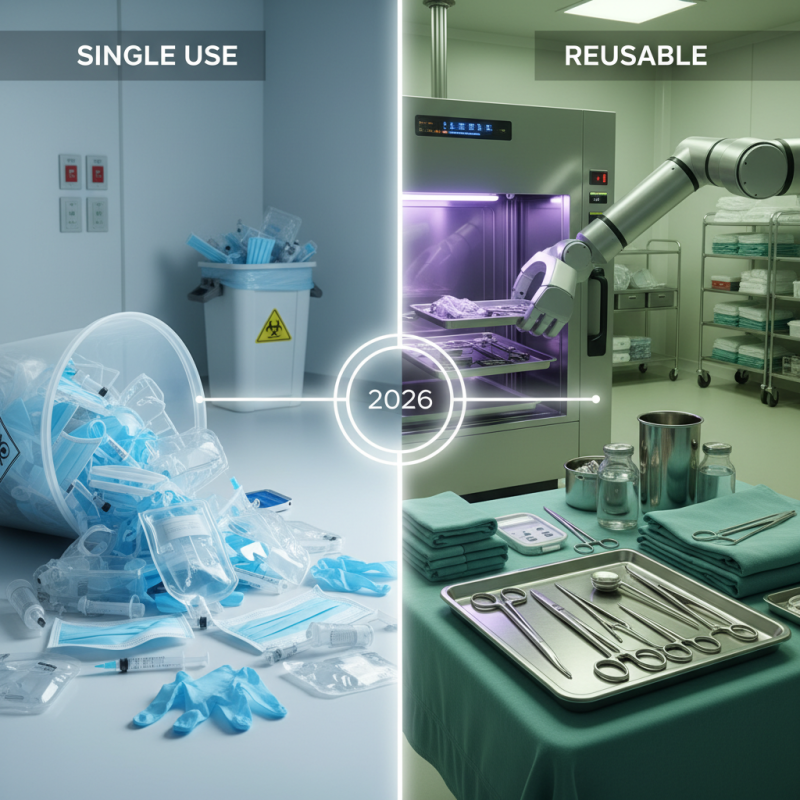
In the healthcare industry, the choice between single-use and reusable medical products plays a crucial role. As Dr. Emily Johnson, a leading expert in medical device innovation, states, "The choice we make between single-use and reusable products can deeply impact patient outcomes and costs." Understanding "What Are The Differences Between Single-Use And Reusable Medical Products" is essential for healthcare providers.
Single-use products are designed for one-time use. They are convenient and reduce the risk of cross-contamination. However, their environmental impact is significant. On the other hand, reusable products promote sustainability and can be more cost-effective over time. Yet, they require proper sterilization processes. This necessity can lead to questions about reliability and safety.
The debate surrounding these products often raises reflections on best practices. While single-use options simplify compliance, the disposal issues cannot be ignored. Reusables, while more eco-friendly, demand a robust system for maintenance. The contrasting attributes of these two categories reveal the complexity in decision-making. Understanding these differences can guide better choices in the medical field.
Understanding Single Use Medical Products
Single use medical products play a significant role in modern healthcare. These items are designed for one-time use, ensuring maximum sterility and reducing the risk of contamination. They serve various purposes, including surgical procedures and diagnostics. Single use items are crucial during interactions with patients, where the highest level of hygiene is necessary to prevent infections.
One important aspect of single use products is their convenience. They save time and labor, as no complex cleaning or sterilization processes are required. However, reliance on these products raises environmental concerns. Producing them contributes to medical waste, which can have long-lasting effects on our planet. Medical facilities are now considering this impact more seriously.
Tips for healthcare providers: try to assess the balance between safety and environmental responsibility. Evaluate the necessity of single use items in specific procedures. Additionally, engage in discussions with the team about how often these products are used. Such reflections can lead to improved practices.
Remember that while single use products offer convenience, they also pose challenges. An informed approach can lead to better choices in healthcare practices. Understanding the implications of single use items encourages thoughtful decision-making.
Characteristics of Reusable Medical Products
Reusable medical products have distinct characteristics that set them apart from single-use items. They are designed for multiple applications, which can lead to significant cost savings over time. Many reusable products are made from durable materials like stainless steel or specialized plastics. This durability enhances their lifespan in medical settings, where longevity is essential.
Tips: Always inspect reusable products before each use. Minor damages can affect their function.
Another vital characteristic is the need for proper cleaning and sterilization. Reusable products require rigorous protocols to ensure patient safety. They must be decontaminated after each use to prevent cross-contamination. This adds a layer of complexity but is crucial for maintaining hygiene standards.
Tips: Familiarize staff with cleaning procedures. Proper training reduces risks.
Choosing reusable over single-use items can also impact the environment. Reduced medical waste is a significant benefit. However, it is necessary to evaluate whether the costs of cleaning and sterilization outweigh the environmental benefits. Regular assessments are essential to maintain efficiency in healthcare systems.
Cost Comparison: Single Use vs. Reusable
In the realm of healthcare, cost is a significant factor when choosing between single-use and reusable medical products. A report by the Medical Device Innovation Consortium reveals that single-use devices may seem cheaper initially but can accumulate costs over time. These hidden costs often arise from disposal, storage, and purchasing frequency. Research indicates that hospitals using reusable products can save up to 30-40% in overall expenses.
When considering the financial impact on healthcare providers, it’s essential to evaluate the lifecycle costs of medical products. Reusable devices typically require an upfront investment but can be effective over several uses. The average lifespan of a reusable surgical instrument can exceed five years, while single-use items often serve only one patient. Over time, these savings on bulk purchasing make reusables appealing, despite their initially higher price.
Tips: Invest time in assessing usage patterns. Choose items based on frequency of use. Avoiding rush purchases can prevent overspending.
Additionally, environmental considerations cannot be overlooked. The healthcare industry generates significant waste, and reusables present an opportunity to reduce this impact. A study from the American Journal of Infection Control showed a potential 50% reduction in waste when using reusables. However, proper cleaning and sterilization protocols are critical to ensure patient safety and prevent infections. Balancing cost and environmental impact is essential for sustainable healthcare practices.
Environmental Impact of Single Use Medical Products
The environmental impact of single-use medical products is substantial. These products often end up in landfills, contributing to waste. According to a study by ResearchAndMarkets, the single-use medical device market is projected to reach $300 billion by 2026. This surge in usage translates to increased plastic waste, which poses significant environmental challenges.
Single-use devices generate approximately 2.5 million tons of waste annually in the U.S. alone. This figure raises concerns about resource depletion and ecological footprints. While single-use items can reduce infection risks, they often lack sustainability. Hospitals are encouraged to explore alternatives. Transitioning to reusable products can dramatically cut waste while maintaining safety.
However, the shift to reusable products is not without challenges. Reprocessing costs and stringent sterilization standards complicate implementation. Some healthcare facilities hesitate due to initial investments and operational adjustments. Balancing patient safety and environmental responsibility remains a complex issue. The industry must reflect on these practices and strive for more sustainable solutions. As awareness grows, potential reforms could emerge, leading to a decrease in reliance on single-use products.
Regulatory Standards for Medical Product Types
Regulatory standards play a crucial role in distinguishing between
single-use and reusable medical products.
These standards ensure safety, effectiveness, and compliance. Regulatory bodies assess each type
of product differently, reflecting their intended use and potential risks.
Single-use products face strict regulations focused on sterility
and disposal practices. They must meet rigorous testing before approval. These products typically undergo a streamlined review process.
This ensures they can be safely used in clinical settings without posing contamination risks.
In contrast, reusable medical products are subjected to more complex scrutiny. Their design must allow for
effective cleaning and sterilization.
The evaluation of reusable devices includes performance durability and safety through repeated usages.
Manufacturers must provide evidence that products maintain their integrity after multiple cycles.
Though regulations are robust, challenges remain. Some facilities may struggle with establishing
proper sterilization processes. Furthermore, the existing regulatory framework can sometimes lag
behind technological advancements. Balancing innovation with regulation
is essential for future developments.
FAQS
: Single-use medical products are designed for one-time use to ensure sterility and reduce contamination risk.
They provide maximum hygiene, especially during procedures where infection risk is high.
Their production contributes to medical waste, impacting the environment long-term.
Evaluate the necessity of these items and discuss usage frequency with the team.
They must meet strict standards for sterility and disposal before approval for use.
Reusable products undergo complex scrutiny, focusing on effective cleaning and sterilization.
Establishing proper sterilization processes can be difficult, impacting safety.
Reflecting on their use can lead to more sustainable and informed decision-making.
It ensures safety while allowing new technologies to benefit patient care.
They offer convenience but also pose challenges that need thoughtful consideration.
Conclusion
The article "2026 Top Differences Between Single Use and Reusable Medical Products" explores key distinctions between these two categories of medical products. Firstly, it details the characteristics of single-use medical products, which are designed for one-time use, highlighting their convenience and sterility. In contrast, reusable medical products, designed for multiple uses, provide durability and potentially lower long-term costs. The cost comparison section emphasizes that while single-use items may seem cheaper initially, the cumulative costs of reusable products can lead to savings over time.
Moreover, the environmental impact of single-use medical products is a significant concern, as they contribute to waste and pollution, while reusables can help mitigate these issues. The article also outlines the regulatory standards that govern both types, ensuring safety and effectiveness in medical applications. Ultimately, understanding "What Are The Differences Between Single-Use And Reusable Medical Products" is essential for making informed choices in medical settings, balancing cost, environmental considerations, and regulatory compliance.
 SHEFA Medical
